
Search Sequatchie County Probate Court Records
Sequatchie County Probate Court Records usually start in Dunlap, where the county clerk and Sequatchie County Court handle probate matters for local estates. If you are tracing a will, an administration file, or a guardianship record, it helps to begin with the county seat, the filing year, and the specific series you need. The county was created in 1857 from Hamilton, Marion, and Warren counties, so some early family lines may show up in parent counties before Sequatchie had its own books. This page keeps the search local and points you to the clerk contact, the surviving series, and the TSLA guides that help when the office copy is thin.
Sequatchie County Probate Court Records Office
The Sequatchie County FamilySearch guide says the county seat is Dunlap, the probate court is Sequatchie County Court, and the county clerk has marriage and probate records from 1858. That makes the clerk the first local stop for Sequatchie County Probate Court Records, especially when you need the original book or a copy from the county file rather than a statewide summary. Local notes also list the clerk phone as (423) 949-2213, which is the practical number to call before you make a visit or send a copy request.
That office setup matters because probate work is not just a name search. It is a county process tied to one seat and one record line. In Sequatchie County, the clerk is the entry point for current questions, older books, and any request that needs a specific volume, page, or file run. If you know the name of the estate representative, the approximate year, or the record series, the office can usually narrow the search faster.
For this county, the safer habit is to ask for the exact probate paper you need. A will, a bond, a guardianship paper, or a settlement may sit in a different run even when the surname is the same. Sequatchie County Probate Court Records reward that kind of narrow request.
Search Sequatchie County Probate Court Records
Start with the decedent's full name, a rough death or filing year, and the record series you want. In Sequatchie County, that may mean Record of Wills 1858-1968, Will Books 1858-1895, Bonds and Letters of Administrators, Executors, Conservators, and Guardians 1880-1968, Estate insolvencies 1875-1897, Settlements of Administrators, Executors and Guardians 1860-1902 and 1925-1969, or Probate Deeds 1858-1888. Those dates give you a real map. They tell you where to begin and which run is most likely to hold the proof you need.
The same person can appear in more than one series. A will may be indexed in one place, while the settlement or bond file sits in another. If the first search fails, do not widen the county before you check the named probate runs. The better move is to keep the search in Sequatchie County and shift to a second record series with the same name and year range.
If the family story crosses county lines, confirm venue before you ask for copies. A residence near the border does not prove the estate was opened elsewhere. Sequatchie County Probate Court Records are easier to locate when the request stays tied to the county, the date, and the exact probate paper.
Note: A narrow request by series and year usually works better than a broad surname search in Sequatchie County.
Sequatchie County Probate Court Records History
Sequatchie County was created in 1857 from Hamilton, Marion, and Warren counties, and the probate trail starts almost immediately after that. Marriage and probate records begin in 1858, so the county's first surviving books sit very close to its formation. That is helpful when you are tracing an early estate, a marriage that may identify heirs, or a guardianship file that falls near the county's first years.
The TSLA preservation inventory at sequ.pdf helps show what survived and what the archive has microfilmed. The guide points to Record of Wills 1858-1968, Estate insolvencies 1875-1897, and other county probate material that can still support a search when the local copy is incomplete. It is especially useful because it confirms that Sequatchie County Probate Court Records are not limited to one book run. They appear in several related series.
The broader Sequatchie County records guide extends that picture with Will Books 1858-1895, Bonds and Letters of Administrators, Executors, Conservators, and Guardians 1880-1968, Settlements of Administrators, Executors and Guardians 1860-1902 and 1925-1969, and Probate Deeds 1858-1888. Those ranges show a county with a strong probate run for more than a century. They also show why a missing page in one series should push you to the next named series rather than end the search.
That history is a good reminder that probate records are layered. A will can open the file, but the bonds, letters, settlements, and deed references may tell you who managed the estate and how the property moved through court.
Dunlap Probate Routing
Dunlap is the county seat, so it is the practical center for Sequatchie County Probate Court Records. A request tied to Dunlap should still be framed as a county request, not a city request. The probate court is Sequatchie County Court, and the clerk office is the place to start when you need the local record rather than a general history note. If you already have a book or page citation, include it. If you do not, give the person's name, the likely year, and the probate paper you want.
The county seat matters because it keeps the search local and precise. Families can live in outlying parts of the county and still have their estate opened in Dunlap. The same is true for older probate matters that were filed when the county was young. Keeping the request centered on the county seat helps the clerk find the right book, file, or preservation copy without guessing at the wrong office.
When you are unsure whether the right paper is a will, a bond, a settlement, or a deed, ask for the first surviving probate reference. That small shift can turn a vague family story into a usable county citation.
Sequatchie County Probate Court Records Online
The Sequatchie County FamilySearch guide is the best local online starting point because it ties the county seat, the probate court name, and the 1858 record start together. It is the quickest way to confirm that probate work belongs in Sequatchie County before you move to the county clerk or the archive side of the search. When a family line is thin, that one page can keep you from chasing the wrong county.
The TSLA links are the next step. The Sequatchie County microfilm inventory helps with record preservation and gives a path to Record of Wills 1858-1968 and Estate insolvencies 1875-1897. The Sequatchie County records guide expands the surviving probate run with Will Books 1858-1895, Bonds and Letters of Administrators, Executors, Conservators, and Guardians 1880-1968, Settlements of Administrators, Executors and Guardians 1860-1902 and 1925-1969, and Probate Deeds 1858-1888. Those are the record series that matter most when you are trying to follow one estate through the county's paper trail.
The Tennessee courts official portal gives the statewide court frame before you ask for a Sequatchie file.
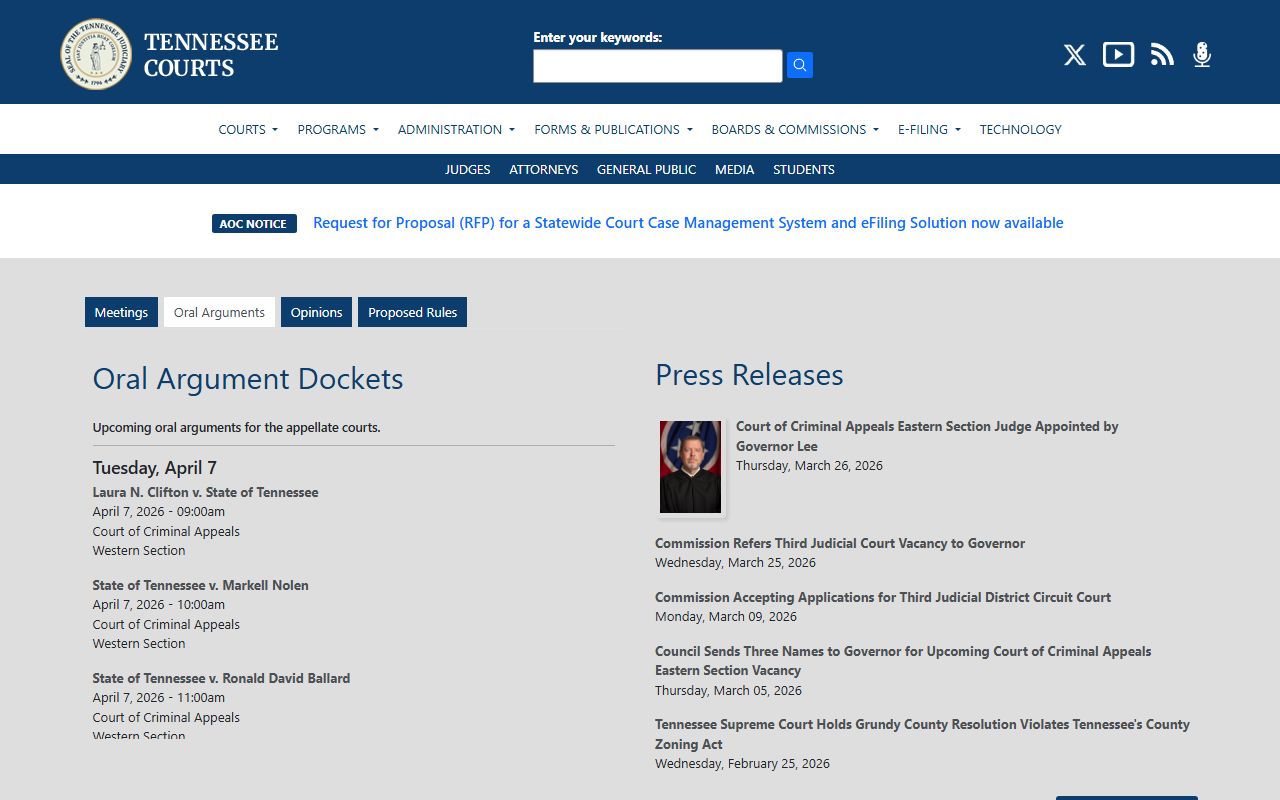
Use the portal as a guide to court structure, but keep the clerk and the county probate series in view when you need the actual record.
Note: Online tools help you identify the right book or series, but the county record still controls the estate search.
Sequatchie County Probate Court Records Copies
When you need copies, start with the clerk and ask for the exact probate series. That may be a Record of Wills entry, a Will Book page, a bond and letters file, a settlement run, an insolvency record, or a probate deed reference. The more exact the request, the easier it is for the office to find the page that matters. A broad family-name request can work, but it usually takes longer and may miss the right book on the first pass.
If the county copy is incomplete, the TSLA guides become the backup path. They show which probate series were preserved and which date ranges survive on microfilm or in archive inventory form. That is useful in Sequatchie County because the same estate may appear in a will run, a settlement run, and a bond file. A second look at a different series often produces the missing clue.
Keep the request local to Dunlap, keep it tied to the county seat, and keep the wording simple. Sequatchie County Probate Court Records are most responsive when the office can match a name, a year, and a named probate series to one specific file.
Note: If one probate series is thin, check the next related run before you assume the record was never made.
Cities in Sequatchie County
Sequatchie County Probate Court Records serve the whole county, but the county seat remains the key probate access point. If you want another Tennessee city page for comparison, use the statewide city directory below.
Nearby County Searches
Sequatchie County borders other Tennessee counties that can matter when an estate was filed near a county line, involved land in more than one county, or belongs in a neighboring probate venue instead. Use these adjoining county pages when the record trail moves outside Sequatchie County.