
Search Mount Juliet Probate Court Records
Mount Juliet Probate Court Records searches begin with the city name, but the official estate file does not stay at city level. Mount Juliet is in Wilson County, so probate matters route to Wilson County handling in Lebanon, with older wills, bonds, settlements, and related papers often tied to county archives there as well. This page explains where Mount Juliet probate records are kept, how to narrow a search before contacting the county, and which Tennessee sources help connect a city residence in Mount Juliet to the right county probate record.
Mount Juliet Probate Court Records Basics
Mount Juliet Probate Court Records are not managed through a separate city probate office. The city sits in Wilson County, and probate matters are handled through Wilson County court structure in Lebanon. That county route matters from the first search. A family may know only that a person lived in Mount Juliet, died there, or owned property there, but the will or estate file is still part of the county probate record.
Wilson County government is the best local starting point because it points researchers to Wilson County Archives and county record resources in Lebanon. For Mount Juliet, that means the search path is local in geography but county based in custody. The city name helps identify the person and place. The official probate paper trail follows Wilson County handling rather than a Mount Juliet municipal filing desk.
The FamilySearch guide for Wilson County shows why that distinction matters. It identifies wills, inventories, administrators' and executors' settlements, bonds and letters, guardian records, and probate-related indexes across long date ranges. Those are the record groups a Mount Juliet search may uncover. The city is the location clue. Wilson County is the office path.
Where Mount Juliet Probate Court Records Route
Mount Juliet probate searches route to Lebanon because Wilson County handles probate matters there. That does not make Mount Juliet irrelevant. It simply means the city is used to place the decedent within the county while the estate file itself stays under county control. For most researchers, the practical lesson is simple. Search by Mount Juliet, then request through Wilson County.
| City | Mount Juliet |
|---|---|
| County | Wilson County |
| Probate Venue | Wilson County probate handling in Lebanon |
| Archive Location | Wilson County Archives, 111 South College Street Lebanon, TN 37087 |
| Historic Coverage | Probate records from 1799, including will books and original wills from 1802 to 1964 |
Tennessee Courts is useful when you need statewide court structure, but it does not change the local routing rule. Mount Juliet does have municipal court functions for city matters. Probate is different. Estate administration, wills, and related probate filings move into Wilson County handling in Lebanon, where current routing and older archival access meet.
Note: A Mount Juliet probate search uses the city to identify the person, but the record itself belongs to Wilson County.
Search Mount Juliet Probate Court Records
A strong Mount Juliet Probate Court Records search begins with a narrow request. Older Wilson County holdings cover many years and many record types, so a surname alone is often not enough. You will get better results if you bring a probable date, a family relationship, or the kind of estate paper you need. That helps the county decide whether the answer is in a will book, a loose file, a settlement volume, or a bond series.
The Wilson County FamilySearch guide is especially useful here because it names the probate categories that appear in county custody. For a Mount Juliet estate, the most common search terms are wills, inventories, administrators' bonds, executors' settlements, guardian bonds, guardian settlements, and letters. Using those terms keeps your request aligned with the way Wilson County organized its probate records instead of asking for a broad file search across every estate-related book.
Before contacting the county, gather details such as:
- The decedent's full legal name and likely spelling variations
- An approximate death year or probable probate filing window
- Whether you need a will, bond, letters, inventory, settlement, or guardian paper
- The Mount Juliet address, neighborhood, or family connection that ties the person to Wilson County
- Any known book citation, case reference, or related family member name
A focused request saves time. It also makes it easier to separate a present-day Wilson County case from a historical archive search tied to Mount Juliet residence. That is usually the most important divide on this page.
Historic Mount Juliet Estate Files
Historic probate research for Mount Juliet quickly becomes Wilson County research in Lebanon. That is not a weakness. It is the normal path. Wilson County Archives reports probate records from 1799 and will books and original wills from 1802 to 1964, which gives Mount Juliet researchers a deep county source even when the city itself did not keep a separate probate office. If the person lived in Mount Juliet, the probate record can still be county held and city relevant at the same time.
The TSLA Wilson County microfilm listing adds another layer. It identifies probate-related series on microfilm, including bonds, insolvent estates, settlements, and wills and inventories. It also notes municipal records for Lebanon, Mt. Juliet, and Watertown. That municipal note is useful background when you need local context, but it does not move probate venue out of the county. The official estate trail still runs through Wilson County probate handling.
FamilySearch's Tennessee Probate Records overview helps explain why older records can appear in more than one place or series. A nineteenth century estate might show up in a will book, a bond ledger, a guardian settlement, or county minutes rather than in one modern-looking case packet. For Mount Juliet researchers, that means historical probate work is strongest when you search by both person and record type.
Mount Juliet Probate Court Records at Wilson County Archives
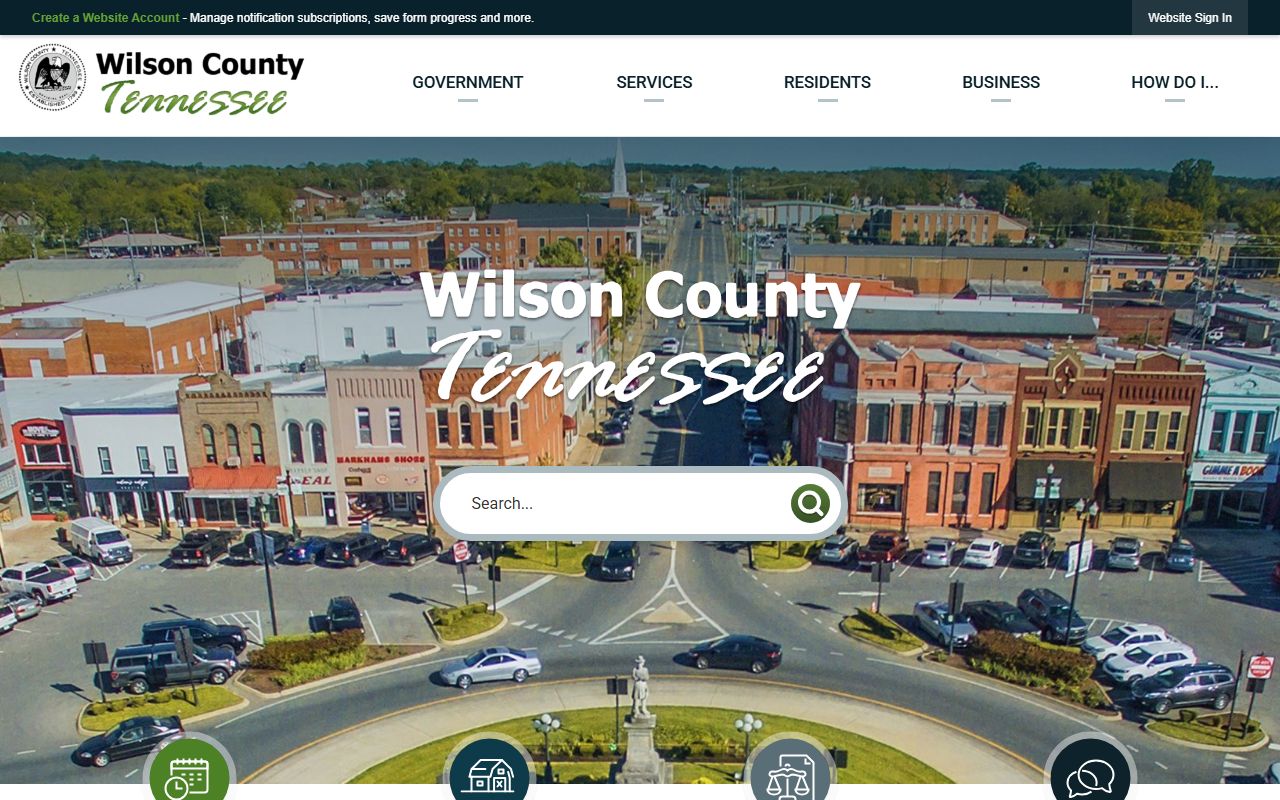
Wilson County Archives is the most practical local anchor for older Mount Juliet Probate Court Records. It keeps the search tied to the county office that preserves long-running record groups instead of sending users toward a city office that does not control estate files. For a historical Mount Juliet search, that county archive can be the place where a will reference, a settlement book, and a probate minute entry finally line up.
The archive location in Lebanon also explains why city and county language overlap on this page. A person may have lived in Mount Juliet, yet the paperwork, storage, and retrieval process can all point to Lebanon because that is where the county seat and county archives sit. That is normal for Tennessee probate research. The city remains part of the identity search, while the county remains the record custodian.
Note: For historical Mount Juliet probate work, the county archive is usually the first serious stop, not a backup source.
Mount Juliet Probate Records and Tennessee Law
Mount Juliet Probate Court Records are local files, but they are shaped by statewide probate law. Title 30 of the Tennessee Code explains the framework for estate administration, the role of personal representatives, and the kinds of papers that appear as a probate matter moves forward. That legal framework helps explain why Wilson County files tied to Mount Juliet can include more than a will.
In practice, a Mount Juliet estate may generate records that prove appointment, show management of property, or document later settlement of the estate. That is why a researcher may need bonds, letters, settlements, or inventories in addition to a will. The county file is still the main evidence. The law simply explains why those papers exist and why some estates leave long paper trails while others are brief.
You do not need to read the code before you ask for a record. It does help to know that probate records follow procedure. If your goal is proof of who had authority to act, a letters record may matter more than the will alone. If your goal is proof of how the estate closed, a settlement may be the better target.
Getting Mount Juliet Probate Court Records
If you need copies or need to confirm whether a file exists, start with the county route and explain that the person lived in Mount Juliet. Then state the record type as clearly as you can. A request for a will book entry is different from a request for original wills, guardian settlements, or administrator bonds. The more exact the wording, the easier it is for Wilson County staff to direct the search.
The Tennessee State Library and Archives is a helpful support source when you need broader records guidance or want to confirm whether an older Wilson County probate series was copied to microfilm. It supports the research process, but it does not replace Wilson County as the office that holds the local probate record for a Mount Juliet estate.
It is also wise to separate current matters from historical ones. A more recent estate may need the live Wilson County court path described through county resources and Tennessee Courts. An older estate may be easier to reach through archive holdings first. Either way, the best Mount Juliet Probate Court Records request is narrow, county focused, and tied to a known record type.
Note: Ask first for the one probate record you actually need. Broad estate requests are slower and harder to place.
Wilson County Probate Route
Mount Juliet probate searches route into Wilson County, and that county-first rule is the core fact behind this page. Use Mount Juliet to identify the resident, family, or address, then move to Wilson County probate handling in Lebanon for the official estate file. That approach matches the county archive holdings, the Wilson County genealogy guidance, and the Tennessee court structure linked above.
If you need the wider county context behind a Mount Juliet search, the Wilson County page is the best next stop because it explains the archive holdings, the probate series, and the county court path in more depth.