
Search Bedford County Probate Court Records
Bedford County Probate Court Records help trace wills, estate files, inventories, settlements, and guardian matters tied to Shelbyville and the rest of the county. A good search starts with the county venue, because Bedford probate work routes through county probate handling in Shelbyville rather than through a separate city office. This page explains where Bedford County Probate Court Records begin, which offices and research tools matter most, and how to move from a name and year to a focused request for a will book entry, estate file, or related probate document.
Bedford County Probate Court Records Quick Facts
Bedford County Probate Court Records
The Bedford County guide at FamilySearch says the county was created on December 3, 1807, from Rutherford County and Indian lands, and it places probate records with Bedford County Court and Chancery Court. That court structure matters because Bedford County Probate Court Records are county records first. Even if the estate is tied to Shelbyville businesses, family land, or a town elsewhere in the county, the probate trail comes back to the county seat and the local probate offices there.
Bedford County government says the County Clerk is at 1 Public Square, Shelbyville, TN 37160, and lists probate records among the clerk's duties. The same county source says historical records are housed at the county archives and that probate records date from 1809. That split between current office routing and older archive holdings shapes how Bedford County Probate Court Records should be searched. A recent estate question may start with the clerk. A nineteenth century will or settlement often calls for a more historical approach.
| County Seat | Shelbyville |
|---|---|
| County Clerk | 1 Public Square, Shelbyville, TN 37160 931-684-1921 |
| Chancery Clerk And Master | 931-684-9548 |
| Circuit Court Clerk | 931-684-3220 |
| Probate Handling | Bedford County Court and Chancery Court, with older records tied to county archives |
The county government page also lists the Register of Deeds at 931-684-5919. That office is not the probate office, but it can matter when estate research overlaps with older land references. In Bedford County, probate and land clues often support each other, especially when a will names heirs and a deed confirms how the estate was carried out.
Search Bedford County Probate Court Records
The best Bedford County search is a narrow one. Probate files are easier to find when the request names the person, the likely filing window, and the type of paper you need. Bedford County Probate Court Records can include wills, inventories, settlements, guardian records, bonds, letters, and probate court minutes. Those are not interchangeable labels. A will book search is different from a search for executor bonds or a settlement of accounts, and the right label can save time for both the searcher and the office handling the request.
Before you ask for Bedford County Probate Court Records, gather:
- The full name of the decedent, ward, or estate, including spelling variants
- An estimated death year or estate filing range
- The record type needed, such as a will, inventory, settlement, bond, or minutes entry
- Any book citation, case clue, or index reference already found online
- A note that the matter routes through Bedford County probate handling in Shelbyville
This county-first method is even more important when you start with a family story rather than a docket number. Shelbyville is the county seat, so it is the routing point for Bedford probate work. If a person lived elsewhere in the county, that home place still does not change where Bedford County Probate Court Records were filed. Start with the county office, then use town or property clues only to confirm identity.
Note: A request framed around one record series and one date span is more useful than a broad ask for every probate paper on a surname.
Bedford County Probate Court Records History
Bedford County has early probate depth, but it also requires caution. The county government source says probate records date from 1809, while also noting that some early records may have been lost to courthouse fires. That means Bedford County Probate Court Records should be approached as surviving series rather than as a perfect run. If an early file seems missing, the better response is to check multiple record types and multiple repositories before deciding the estate left no probate trail.
The Bedford County FamilySearch guide gives the clearest breakdown of surviving digitized probate material. It identifies administrators' and executors' bonds from 1861 to 1965, settlements from 1865 to 1934 and 1937 to 1963, probate court minutes from 1870 to 1902, will books from 1847 to 1881, and wills from 1861 to 1966. Those ranges tell you where Bedford County Probate Court Records are strongest. They also show that not every useful probate series starts in the same year or ends at the same point.
Ancestry's Tennessee probate collection adds another finding aid for Bedford County. It points to wills, inventories, bonds and letters, settlements, probate court minutes, will books, and will and administration indexes. That database is useful when you need a clue for volume, year, or series name before contacting the county. It should still be treated as a lead tool. The official Bedford County Probate Court Records file, book, or archive copy remains the more reliable source when you need the full probate trail.
Bedford County Probate Research Tools
The Tennessee courts official portal is the best state-level reference for understanding how probate handling fits within the Tennessee court system before you contact Shelbyville about Bedford County Probate Court Records.
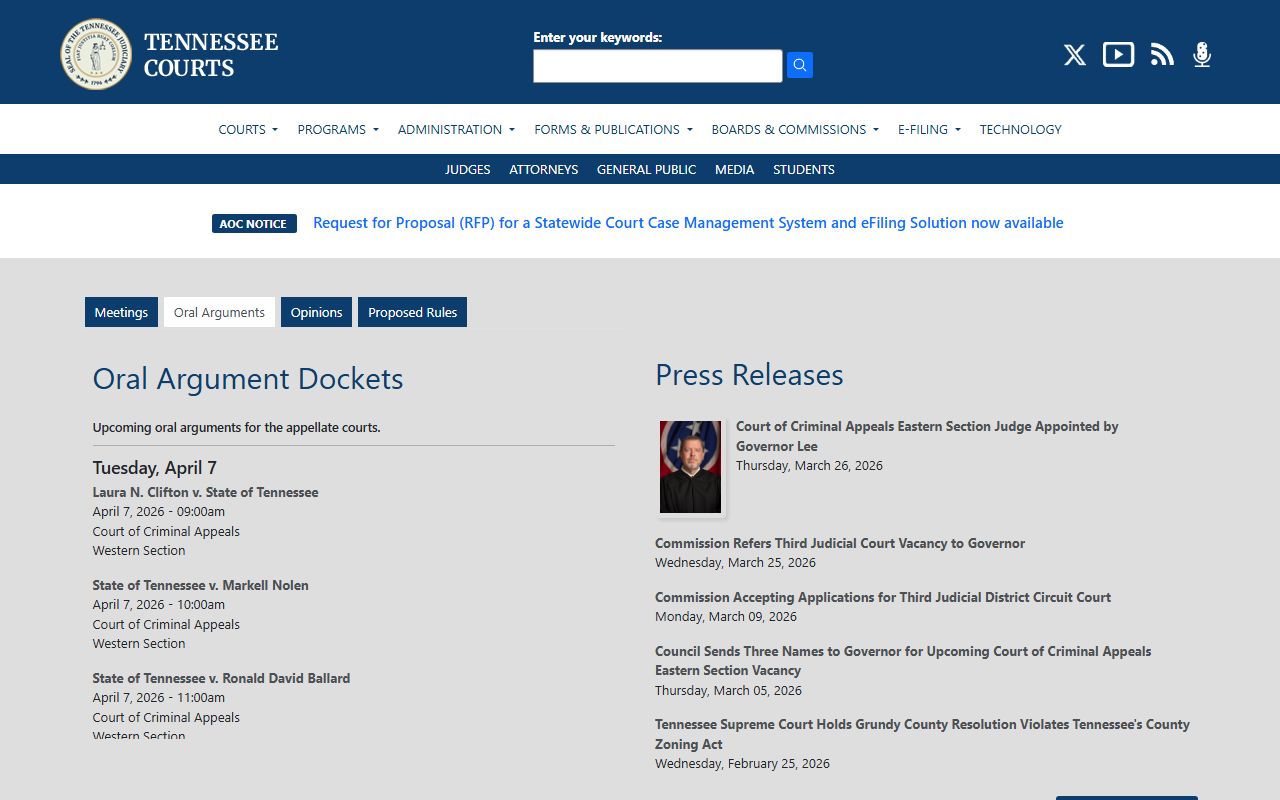
That statewide court source helps explain routing, while the county office still controls the local probate record itself.
For historical work, the Tennessee State Library and Archives is useful because Bedford County research notes point to TSLA microfilm support. The broader Tennessee Probate Records overview at FamilySearch also helps explain how county probate books, loose papers, and estate files were commonly preserved across the state. When you combine those state tools with the county guide and county office details, Bedford County Probate Court Records become easier to search in a disciplined way.
The Bedford County Historical Society adds local research support for probate and wills. That is valuable when you are tracing older family lines, trying to confirm whether a will survives in transcription, or looking for local historical context that explains a name, land reference, or family cluster found in Bedford County Probate Court Records.
Bedford County Probate Law
Bedford County Probate Court Records are local records shaped by statewide probate law. Title 30 covers estate administration. Title 31 helps explain descent and distribution when there is no will. Title 32 addresses wills and probate of wills. Those titles give context for why Bedford files may include a petition, appointment papers, inventories, creditor notice, claims, settlements, and final orders rather than a single short will entry.
The same pattern appears in the named record series. Tenn. Code Ann. §§ 30-2-301 and 30-2-302 help explain why inventories and related estate administration papers show up in Bedford County Probate Court Records after a representative is appointed. Tenn. Code Ann. §§ 30-2-306 and 30-2-307 help explain the creditor side of estate administration, including why notices, claims, and objections may appear in the file before an estate can close. The statute numbers matter because they mirror the steps that often leave the best paper trail.
In practice, law and record series work together. If a Bedford file has only a brief will entry, the probate process may continue elsewhere in bonds, inventories, settlements, or minute books. Reading Bedford County Probate Court Records with those probate code sections in mind helps a searcher know why more than one volume or paper set may be needed to reconstruct the full estate history.
Note: State law explains the paper trail, but the filed county probate record is still the key source for what happened in one estate.
Shelbyville Probate Routing
Shelbyville is the county seat, and that makes it the center of probate routing for Bedford County. The practical point is simple. Probate work for the county routes through county probate handling in Shelbyville, even when the person you are researching lived in another Bedford County community or when the search begins with a cemetery, deed, or obituary outside the courthouse square. Keeping the venue question clear from the start prevents wasted calls and misdirected requests.
This Shelbyville focus also explains why county office details matter so much. The County Clerk handles probate records, while Chancery Court and related clerk offices can shape where a searcher asks follow-up questions about estate administration. Older records move into archive and historical research channels more often than newer ones. Bedford County Probate Court Records therefore work best as a county-seat search, not as a city-by-city search.
Bedford County Wills And Estate Files
Bedford County probate records cover more than wills alone. The county research identifies wills, inventories, settlements, guardian records, bonds, letters, minutes, and indexed will and administration references. Together, those records can show who opened the estate, who qualified to act, what property was listed, whether claims were filed, and how the matter moved toward settlement. A short will is often only the start of the probate trail.
That is why a record request should match the need. A family historian may only need a will book page or a settlement entry that names heirs. Someone handling estate administration may need a copy of letters, a court order, or proof that an executor was appointed. Both are part of Bedford County Probate Court Records, but they may sit in different books or files. The Bedford research is useful precisely because it shows those records as separate series rather than as one generic probate bundle.
When no single record answers the question, move across the series. Check the will or administration index, then the will book or filed will, then bond and settlement records, and finally probate minutes if the estate is still unclear. Bedford County research is strong enough to support that layered approach, and it is often the best way to work around partial losses in older courthouse history.
Cities in Bedford County
Bedford County Probate Court Records still route through the county seat and county probate system, but these city pages give you location-specific context for residents who begin the search from different communities inside the county.
Use these city pages when you want local access notes that still point back to Bedford County probate records.
Nearby County Searches
Bedford County borders other Tennessee counties that can matter when an estate was filed near a county line, involved land in more than one county, or belongs in a neighboring probate venue instead. Use these adjoining county pages when the record trail moves outside Bedford County.